
The short answer: start decluttering three to four weeks before moving day, work through one room at a time, and sort every item into one of four piles: keep, sell, donate or dispose. Moving fewer belongings means fewer boxes to pack, less to load and unload, and a quicker settle-in at your new place.
This guide walks you through a practical, room-by-room process for Australian homes, including what to do with unwanted items and which things removalists can’t take on the truck. Practical advice from the Strong Arm Movers team. Last updated October 2026.
Why Declutter Before Moving?
Decluttering is more than a tidy-up. It’s the step that decides how much you’ll pack, how much you’ll carry and how much space you’ll need in your new home. Here’s what it can change for you.
It can reduce packing and moving costs
Removal quotes are generally based on the time, the number of movers and the size of the load. A smaller load usually means fewer boxes, less loading time and, in many cases, a smaller truck. You also avoid paying to pack and transport things you were never going to use again.
If you’re booking house removalists in Melbourne, try to finish decluttering before you request a quote. Quotes are estimates based on the details you give us, so a quote built on your real, decluttered inventory is more accurate. If anything changes between the quote and moving day, let us know early. For a wider view of what affects pricing, see our removalist cost guide for Australia and our tips on how to save money when moving.
It saves time packing and unpacking
Every item you remove is one less thing to wrap, box, label, carry and unpack. With fewer belongings, you can label boxes accurately and find what you need on day one instead of searching through cartons of things you didn’t need.
It gives you more usable space in your new home
Check the floor plan and storage of your new place before you decide what stays. Furniture and belongings that won’t fit your new layout are easier to sell or donate now than to store in a spare room later. Starting with only what you need also makes it easier to keep the new home organised.
It makes moving day calmer
When every item has already been sorted, there are no last-minute “keep or toss?” decisions and fewer boxes to track. Moving day becomes a matter of loading, driving and unloading rather than problem-solving.
Create a Decluttering Plan Before You Start
Starting without a plan often leads to half-finished rooms and rushed decisions. A simple schedule keeps the job manageable. Use the timeline below as a guide and adjust it to your move date.
A simple decluttering timeline
| When | What to focus on |
|---|---|
| 3–4 weeks before | Storage areas, garage, shed, spare rooms and rarely used items. List big items to sell and book any hard rubbish or donation pick-ups. |
| 2–3 weeks before | Wardrobes, books, decorations, home office and paperwork. List items for sale and arrange donations. |
| 1–2 weeks before | Kitchen, bathroom and laundry. Use up or pass on food, and safely dispose of expired products. |
| Final week | Last checks of cupboards, fridge, freezer and outdoor areas. Set aside your “first night” box and important documents. |
If your move is sooner than three weeks away, the same approach works. Focus on the biggest and bulkiest items first, because they make the biggest difference to your load.
Work one room at a time
Trying to tackle the whole house at once is the fastest way to lose momentum. Finish one room, or even one cupboard, before moving to the next. Seeing a completed space keeps you motivated and stops clutter from spreading between rooms.
Use four sorting categories
Before you start, set up four clearly labelled boxes, bins or areas:
- Keep: things you use regularly or that have real sentimental or practical value.
- Sell: items in good condition that someone else could use, such as furniture, appliances and electronics.
- Donate: clean, usable items that aren’t worth the effort of selling.
- Dispose: broken, expired or unusable items, sorted for recycling or proper disposal.
Avoid a fifth “maybe” pile. If you really can’t decide, set one box aside, write the date on it, and review it once before packing day. Don’t let undecided items quietly turn into packed boxes you’ll have to carry and unpack.
Questions that make decisions easier
- Have I used this in the last 12 months?
- Will it fit in my new home, and do I have a place for it?
- Is it worth the cost and effort of packing and moving it?
- Do I own a duplicate, or could I easily replace it if I needed to?
How to Declutter Every Room
Each room collects different kinds of belongings, so each needs a slightly different approach. Here’s where to look in every area of your home.
Bedrooms and wardrobes
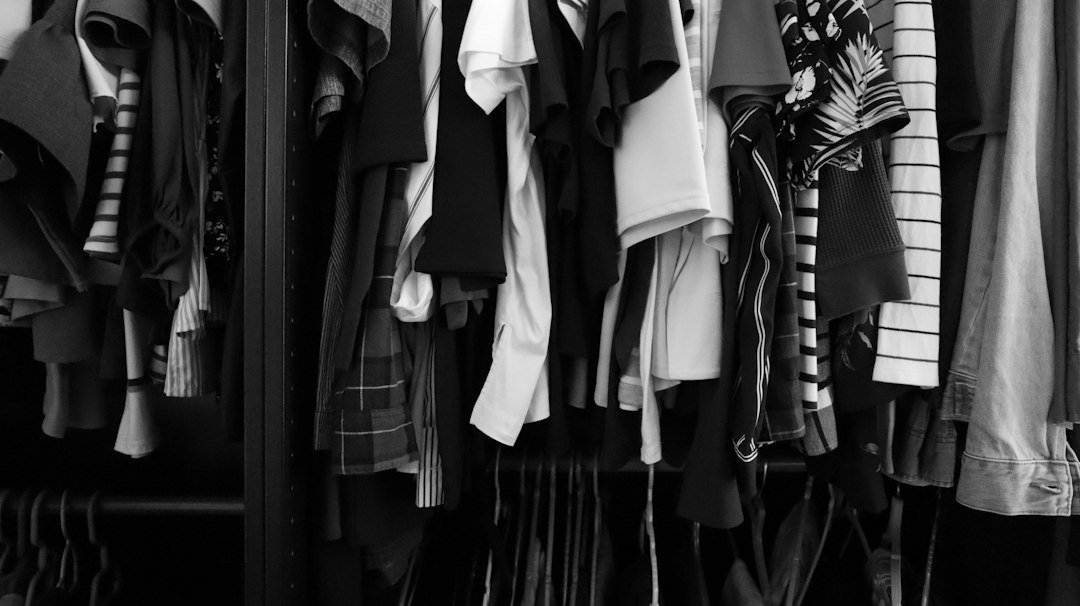
Take everything out of wardrobes and drawers so you can see what you actually own. Set aside clothes that no longer fit, are damaged or haven’t been worn in the past year. Good-quality items can be sold or donated, and worn-out textiles can often be recycled through textile collection programs or clothing bins.
Kitchen and pantry
Check expiry dates, and remove damaged cookware, duplicate utensils and appliances you rarely use. Plan meals around what’s in the freezer and pantry in the weeks leading up to your move. Unopened, in-date non-perishables can be donated to a local food relief organisation. Please note that perishable food, such as items from the fridge and freezer, can’t be transported on a removalist truck.
Living areas and furniture
Go through books, magazines, DVDs, decorations, cables and electronics, and decide what suits your new space. Bulky furniture deserves extra thought. Measure your larger pieces against the rooms, doorways and stairs of your new home. If something won’t fit your new layout, selling or donating it can save space and money. Furniture you decide to keep can be moved safely by experienced furniture removalists in Melbourne, and our guide on how to pack furniture when moving shows how to prepare each piece.
Home office and paperwork
Sort paperwork into three groups: documents to keep, documents to shred and documents to recycle. Securely shred anything with personal or financial details you no longer need. Keep tax and financial records you may still need, because the ATO generally asks that most records are kept for five years. Recycle old chargers, cables and electronics through an e-waste service rather than your general bin.
Garage, shed and storage areas
Garages and sheds often hold the most forgotten items: tools, sports gear, garden equipment and old paint. Be honest about what’s broken, outdated or no longer useful. Moving interstate? A lighter load helps there too, so it’s worth decluttering before you ask interstate removalists in Melbourne for a quote.
Bathrooms and laundry
Toss expired toiletries, half-used products and worn towels. Take unused or expired medicines to a pharmacy, because many Australian pharmacies accept them for safe disposal through the Return Unwanted Medicines program. Don’t put them in the bin or down the sink.
What to Do With Items You No Longer Need
Sell
Online marketplaces, local buy-and-sell groups and garage sales work well for furniture, appliances and electronics. Take clear photos, set a realistic price and list items early so there’s time for buyers to collect them before moving day.
Donate
Many charities and op shops accept clean, usable clothing, homewares, books and furniture, and some arrange free pick-ups. Check each organisation’s “what we accept” list first, as they can’t take everything, and book pick-ups well before your final packing days.
Recycle and dispose responsibly
- Large items: many councils in Victoria and Queensland offer hard rubbish or bulky waste collections. Booking rules, limits and accepted items vary, so check with your local council.
- E-waste: e-waste is banned from landfill in Victoria. Take old TVs, computers, phones and batteries to a drop-off point or e-waste recycler.
- Chemicals, paint and gas bottles: use your council’s household chemical drop-off or the relevant disposal service. Don’t leave them for the removalists.
- Medicines: return them to a pharmacy, as mentioned above.
Items Removalists Can’t Transport
Part of decluttering is knowing what shouldn’t go on the truck at all. At Strong Arm Movers, we don’t transport hazardous or explosive materials, illegal goods, perishable items, animals or plants, cash, jewellery or high-value collectibles, or items that need special permits. Keep valuables, important documents, medication and these items with you personally on moving day. Our terms and conditions list the full details, and it’s always worth asking any removalist for their list before you pack.
Appliances such as fridges and washing machines should also be emptied and prepared before moving day.
Stay Organised After Decluttering
Once the clutter is gone, a few simple habits keep packing and moving day on track.
Label boxes by room and contents
Write the room and a short description of the contents on the side of every box, not the top, so labels stay visible when boxes are stacked. Colour-coded stickers for each room help movers place boxes in the right spot straight away. If you’d rather not pack yourself, our packers and movers in Melbourne can pack, wrap and label for you, and Brisbane customers can use our packers and movers in Brisbane service.
Pack a “first night” box
Pack a clearly marked box with the things you’ll need straight away: phone chargers, toiletries, a change of clothes, basic kitchen items, bedding and any medication. Keep it with you rather than on the truck.
Create a moving day checklist
Write down the key tasks: final clean, meter readings, handing over keys, parking and access arrangements, and confirming arrival times with your removalists. Clear access and parking help the move run smoothly, so it’s worth sorting out in advance.
Keep important documents with you
Passports, lease or contract paperwork, identification, and financial documents should travel with you in a bag or folder you carry yourself, never inside a packed truck.
How Strong Arm Movers Can Help
You don’t need a removalist to declutter, but once your belongings are sorted, we can take care of the heavy lifting. Strong Arm Movers provides local, interstate, office and furniture moves, plus packing services, across Melbourne and Brisbane. Depending on your timeline, we also offer same-day removalists in Melbourne for last-minute moves, subject to availability.
For a free, no-obligation quote, send us your pick-up and drop-off locations, preferred date and property size through our contact page. Moving in Queensland? See our house removalists in Brisbane service.
Final Thoughts
Decluttering before a move helps you spend less time packing, move less stuff and settle in faster. Start early, work through one room at a time, sort every item into keep, sell, donate or dispose, and keep restricted items and important documents with you. A little planning now makes moving day much easier to manage.
Frequently Asked Questions
When should I start decluttering before moving?
Ideally, start three to four weeks before moving day. That gives you time to work through one room at a time, sell or donate items and book any hard rubbish collection without rushing. If your move is sooner, start with the largest items and storage areas first.
What is the fastest way to declutter a house before moving?
Work one room at a time and sort every item into four categories: keep, sell, donate or dispose. Make a quick decision on each item rather than leaving piles for later, and start with large items and storage areas because they reduce your load the most.
Does decluttering reduce moving costs?
It can. Removal costs generally depend on factors such as the size of the load, the time needed and the number of movers, so moving fewer items can mean fewer boxes and a faster load and unload. The exact saving depends on your move, so ask for a quote based on your decluttered inventory. See our removalist cost guide for more on how pricing works.
Should I sell or donate unwanted items before moving?
Both are good options. Sell items that still have value, such as furniture and electronics, and donate clean, usable items you can’t sell. Either is better than paying to move things you no longer need. Allow time for buyers or charity pick-ups before moving day.
What items can’t removalists move?
This varies between companies, so always ask. At Strong Arm Movers, we don’t transport hazardous or explosive materials, illegal goods, perishable items, animals or plants, cash, jewellery or high-value collectibles, or items requiring special permits. Check our terms and conditions for the full list.
What should I do with items I can’t sell or donate?
Check your local council’s hard rubbish or bulky waste collection rules for large items, use e-waste drop-off points for electronics and batteries, return unused medicines to a pharmacy, and take paint, chemicals and gas bottles to a suitable household chemical drop-off.
Can professional removalists help with packing and organisation?
Yes. Our packers and movers service can pack, wrap and label your belongings, then load, transport and unload them. It’s a good option if you’d rather save your time and energy for settling into your new home.