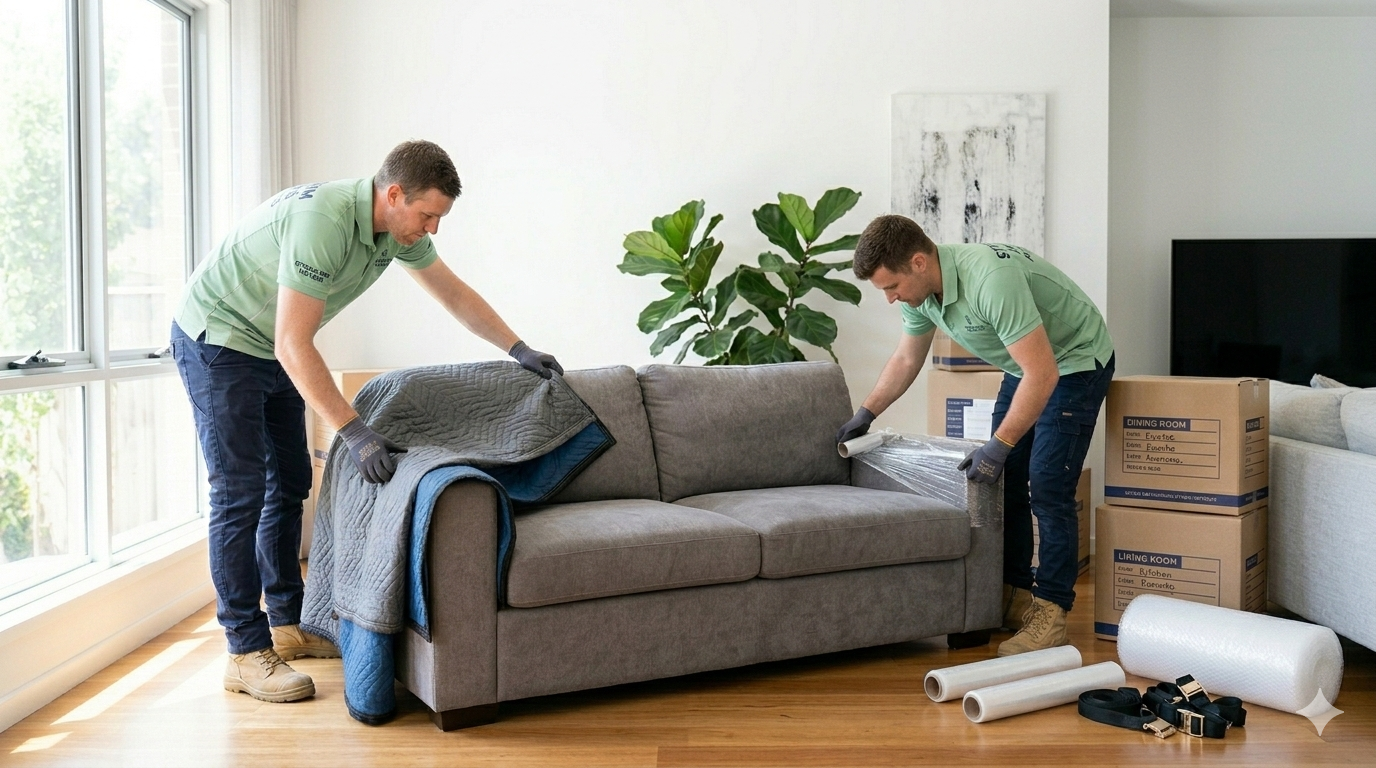
Moving furniture is one of the most challenging aspects of relocating to a new home. Heavy, bulky, and often delicate, furniture requires careful handling to prevent scratches, dents, and breakage during transport.
Without proper packing techniques, you risk damaging your valuable pieces, some of which may hold sentimental value or represent significant investments.
The good news? With the right approach and materials, you can protect your furniture throughout the moving process.
Proper packing not only ensures safe transportation but also makes loading and unloading more efficient, potentially saving you time and money.
In this guide, we’ll walk you through expert tips from professional furniture movers to help you pack your belongings like a pro.
Preparation is Key: Getting Organised for the Big Move
Successful furniture moving starts well before packing day. Taking time to plan and organise sets the foundation for a smooth, stress-free relocation. Here’s how to prepare effectively:
Create a Comprehensive Inventory
Start by documenting every piece of furniture you plan to move. Walk through each room and create a detailed list of each item’s condition, dimensions, and any existing damage. Take photos from multiple angles, this documentation serves as a record for insurance purposes and helps you verify everything arrives safely at your new home.
Your inventory also helps you decide what needs special attention during packing. Note which pieces are particularly fragile, valuable, or awkwardly shaped, as these will require extra care and materials.
Declutter and Downsize
Moving presents the perfect opportunity to reassess what you actually need. Go through each room and honestly evaluate which furniture pieces are worth the effort and expense of moving. If you haven’t used that old armchair in years or the spare dresser is taking up space, consider selling, donating, or disposing of it.
Downsizing reduces your moving costs, minimizes packing time, and gives you a fresh start in your new space. Plus, fewer items mean less chance of damage during transport.
Measure Doorways and Stairwells
Before packing anything, measure all doorways, hallways, staircases, and elevators at both your current home and your destination. Compare these measurements to your furniture dimensions to identify potential obstacles. This simple step prevents the frustrating—and potentially damaging- discovery that your sofa won’t fit through the front door.If you’re unsure about navigating tight spaces, an experienced moving company can assess access points and recommend the safest approach.
Disassemble What You Can
Taking furniture apart before moving makes it easier to transport, reduces the risk of damage, and often saves valuable space in the moving truck. Here’s how to approach disassembly:
- Start early: Begin disassembling furniture a few days before your move date. Rushing this process increases the risk of losing hardware or damaging components. Work methodically through each piece, allowing yourself plenty of time.
- Keep track of hardware: Place all screws, bolts, nuts, and other small parts in clearly labelled zip-lock bags. Tape these bags directly to the corresponding furniture piece or keep them together in a dedicated box. Nothing’s more frustrating than arriving at your new home with furniture you can’t reassemble because the hardware’s gone missing.
- Take photos: Before and during disassembly, photograph each step with your phone. These visual references become invaluable when it’s time to put everything back together, especially for complex pieces with multiple components.
- Be gentle: Use the proper tools and avoid forcing anything. If a piece won’t come apart easily, check for hidden screws or fasteners. Forcing components can strip threads, crack wood, or create other damage that’s costly to repair.
Wrapping and Packing Furniture: Materials and Techniques
Understanding how to wrap furniture for moving properly is essential for protecting your belongings. The right materials combined with proper techniques create a protective barrier against bumps, scratches, and moisture during transport.
Essential Packing Materials
Having the right packaging supplies on hand makes the packing process much smoother. Here’s what you’ll need:
Bubble Wrap
Bubble wrap provides excellent cushioning for fragile surfaces and delicate components. When learning how to bubble wrap furniture, focus on corners, glass surfaces, and ornate details that are prone to damage. The air pockets absorb shocks and prevent scratches during handling and transport.
Moving Blankets
These thick, padded blankets are essential for protecting larger furniture pieces. Understanding how to wrap furniture with moving blankets is straightforward: drape them over sofas, dressers, and tables to guard against scratches and dents. They’re particularly useful for wooden furniture and can be secured with packing tape or stretch wrap.
Furniture Pads
Similar to moving blankets but slightly thinner, furniture pads work well for smaller items or as an additional layer of protection. They’re reusable and provide a soft barrier between your furniture and the truck’s walls.
Stretch Wrap
This clingy plastic wrap holds moving blankets and pads in place without leaving sticky residue on your furniture. It’s perfect for keeping drawers closed, securing cushions, and bundling disassembled parts together. Stretch wrap is especially useful when you’re figuring out how to pack furniture in a moving truck, as it keeps everything compact and secure.
Packing Tape
Heavy-duty packing tape secures your wrapping materials and reinforces boxes. Avoid using tape directly on finished wood surfaces, as it can damage the finish when removed.
Markers
Clear labeling is crucial for organised unpacking. Use permanent markers to note contents, room destinations, and handling instructions like “Fragile” or “This Side Up” on all wrapped items.
Packing Techniques for Various Furniture Types
Different furniture pieces require different approaches. Here’s how to pack furniture for storage and moving based on type:
Sofas and Upholstered Furniture
Remove all cushions and pack them separately in large bags or wrap them in plastic. Vacuum the sofa to remove dirt and debris, then cover it with moving blankets, securing them with stretch wrap. Pay special attention to corners and armrests, which are vulnerable to damage. For leather furniture, avoid plastic wrap directly on the surface, as it can cause moisture damage, use breathable fabric covers instead.
Dressers and Cabinets
Empty all drawers completely, even light items can shift during transport and damage the furniture’s structure. Wrap each drawer individually if you’re removing them, or secure them closed with stretch wrap if keeping them in place.
Cover the entire piece with moving blankets, focusing extra padding on corners and any protruding hardware. For antique or valuable pieces, consider removing knobs and handles, wrapping them separately.
Tables and Chairs
Remove table legs if possible, wrapping each leg separately in bubble wrap. Protect the tabletop with cardboard sheets or furniture pads, then wrap the entire surface in moving blankets. For glass tabletops, create a cardboard sandwich by placing cardboard on both sides before wrapping. Stack chairs seat-to-seat to save space, placing cardboard or blankets between them to prevent scratches.
Beds and Headboards
Disassemble bed frames completely, grouping similar components. Wrap the headboard and foot-board in moving blankets, paying extra attention to decorative elements.
Box springs and mattresses should be covered in special mattress bags to protect against dirt, moisture, and tears. Stand mattresses on their side in the truck rather than laying them flat to prevent damage.
Mirrors and Artwork
These require special care due to their fragility. Create an “X” pattern across mirrors using masking tape—this prevents glass from scattering if breakage occurs.
Wrap the entire piece in bubble wrap, then protect it with cardboard or a purpose-built mirror box. Always transport mirrors and artwork vertically, never flat, and clearly mark them as fragile.
How to Pack Furniture for Long-Term Storage
When you’re learning how to pack furniture for long-term storage, extra precautions ensure your belongings emerge in excellent condition months or even years later. Storage requires different techniques than short-term moving, as furniture faces prolonged exposure to temperature fluctuations and humidity.
Clean your furniture
Before packing anything away, clean each piece thoroughly. Dust, dirt, and food particles attract pests and can cause staining over time. For wooden furniture, use an appropriate wood cleaner and allow it to dry completely. Upholstered items should be vacuumed and spot-cleaned. This step is crucial; storing dirty furniture can lead to permanent damage, mould growth, and unpleasant odors.
Wrap/Cover Furniture
Understanding how to wrap furniture for storage differs slightly from moving preparation. After cleaning, apply a thin layer of furniture polish to wooden pieces to help preserve the finish. Cover upholstered furniture with breathable fabric covers rather than plastic, which can trap moisture and cause mildew. Wrap wooden furniture in moving blankets or furniture pads, then use stretch wrap to secure the covering. Avoid direct plastic contact with wood surfaces, as this can damage finishes over time.
Pack Furniture in Storage Units
Strategic placement within your storage spaces makes a significant difference. Store furniture off the ground by placing pallets or wooden boards on the floor first. Position larger, heavier items at the back and bottom, with lighter pieces on top. Leave small gaps between items for air circulation. This prevents moisture buildup that leads to mold. Never stack too high, as this can cause crushing and instability.
Cover the Floor
Protecting furniture from ground moisture is essential for long-term storage. Lay down plastic sheeting or tarps before placing pallets or furniture. This creates a barrier against moisture that can seep up from concrete floors, which is particularly important in non-climate-controlled units. The combination of floor covering and pallets provides optimal protection against dampness.
Consider Climate-Controlled Storage
For valuable, antique, or wooden furniture, climate-controlled storage is worth the investment. These units maintain consistent temperature and humidity levels, preventing warping, cracking, and mold growth that can occur in standard storage. Leather furniture, musical instruments, and anything with delicate finishes particularly benefit from climate control. While it costs more, it can save you from costly damage repairs or replacement.
Final Thoughts
Packing furniture when moving doesn’t have to be overwhelming. With proper preparation, the right materials, and proven techniques, you can protect your valuable belongings throughout the moving process. Whether you’re moving across town or preparing furniture for long-term storage, taking the time to pack correctly prevents costly damage and ensures everything arrives in excellent condition.
Remember that some situations call for professional help. Large, valuable, or particularly delicate furniture often benefits from the expertise of experienced movers who have specialised equipment and know-how. At Strong Arm Movers, we understand the challenges of furniture relocation and offer professional packing services across Melbourne to make your move stress-free.
Get a moving quote today and discover how our expert team can handle your furniture with the care it deserves. Whether you need full packing services or just help with the heavy lifting, we’re here to ensure your move goes smoothly from start to finish.
FAQs
What is the best way to wrap furniture for storage?
Use breathable cotton moving blankets or furniture pads to prevent moisture and mold. Secure with stretch wrap, but avoid plastic directly on wood. For delicate items, use bubble wrap. Always clean and dry furniture completely before wrapping.
Should I pack furniture or boxes first?
Pack boxes first. Load furniture last as it forms the stable base of your truck. Position heavy pieces against walls, then fill gaps with boxes.
How to prep furniture for storage?
Clean thoroughly, disassemble what you can, and empty all drawers. Wrap appropriately based on material and elevate off the floor using pallets.
How to wrap furniture in a moving truck?
Wrap with moving blankets secured by stretch wrap. Add cardboard corners on sharp edges. Position vertically when possible, fill gaps with soft items, and secure with tie-down straps.