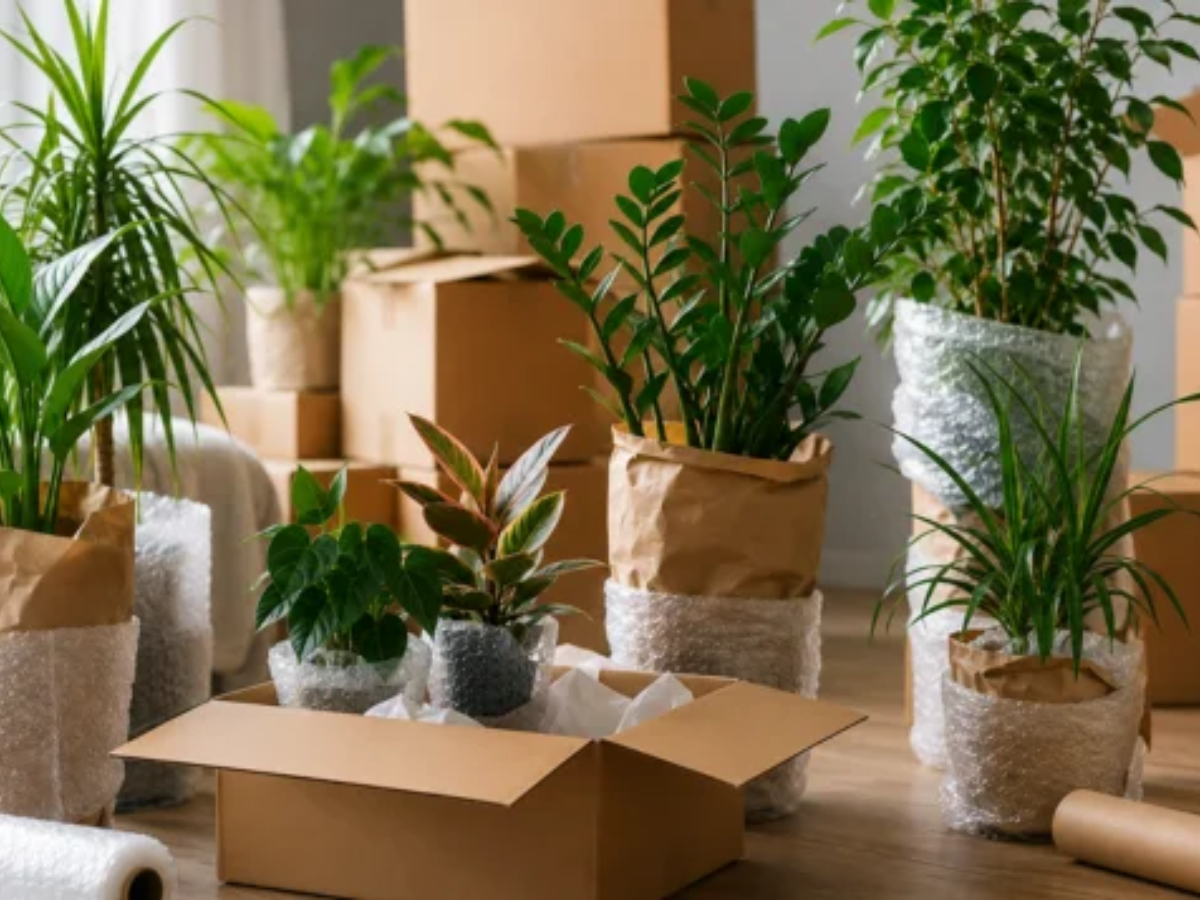
Moving to a new home is an exciting milestone, but if you are a plant lover, it also comes with the added challenge of transporting your green companions safely. Plants are living things that respond to stress, temperature changes, and rough handling, which makes them one of the trickiest items to relocate. Whether you are moving across town or heading interstate, giving your plants the care and attention they deserve during the process can make a significant difference in their survival. This guide walks you through everything you need to know about packing and moving plants safely, from the weeks leading up to moving day to the moment you settle them into their new home.
The Importance of Properly Packing Your Plants
Packing your plants correctly before a move is just as important as packing any other valuable item in your home. Without the right preparation, even the hardiest plants can struggle to survive the journey to their new environment.
Why Moving Plants Requires Special Attention
Plants are unlike any other item you will pack during a move. They are living organisms with specific needs for light, water, temperature, and airflow. Unlike furniture or boxes of clothing, plants can wilt, dry out, or suffer root damage within hours if they are not handled correctly.
Beyond their biological needs, plants also present a practical challenge during a move. If you are working with interstate removalists to manage your relocation, it is worth letting them know about your plants early so they can plan accordingly. Pots can crack or tip over, soil can spill everywhere, and fragile stems can snap with the slightest jolt.
Impact of Improper Packing on Plant Health
When plants are packed without proper preparation, the consequences can be severe. Overwatering before a move makes soil too heavy and can lead to root rot during transit. Underwatering leaves plants parched and stressed before the journey even begins. Without adequate support, stems and branches can break, and pots left unsecured in a moving truck will tip, spill soil, and potentially damage other belongings.
Exposure to extreme heat or cold during transport can also cause irreversible damage. Plants left in a sealed vehicle with no airflow on a hot day can overheat within minutes. Similarly, tropical plants exposed to cold air during winter moves may suffer frost damage even on a short trip.
How to Pack Plants for Moving: Step-by-Step Process
Knowing exactly what to do in the weeks leading up to your move can make a huge difference in how well your plants handle the transition. Following a clear step-by-step process ensures nothing important is overlooked along the way.
3-4 Weeks Before the Move
- Begin pruning your plants to reduce their size and make them easier to transport. Trimming back excess growth also encourages stronger, healthier regrowth once the plant is settled in its new environment.
- Repot any plants that are growing in cracked, oversized, or very heavy pots. Switching to lightweight plastic containers several weeks before the move gives roots time to adjust and makes handling far easier on moving day.
- Check every plant carefully for pests and diseases. Moving stressed plants from one home to another is the perfect opportunity for infestations to spread. Treat any issues now so your plants arrive clean and healthy.
- Gradually adjust your plants to more sunlight or shade if your new home has a different light environment. This reduces the shock they will experience when placed in a new space.
1-2 Weeks Before the Move
- Stop fertilising your plants. Fertiliser encourages new growth, and you do not want your plants putting out delicate new shoots right before they go through the stress of relocation.
- Reduce watering gradually so the soil is moist but not soggy on moving day. Wet, heavy soil adds unnecessary weight and increases the risk of root rot during transit.
- If you are moving during colder months, start acclimatising your tropical plants to slightly cooler indoor temperatures so they are less likely to suffer when exposed to outdoor air during loading and unloading.
- This is also a good time to research your overall moving cost so you can budget appropriately for packing supplies, transport, and any additional services you may need along the way.
Packing Small Plants for the Move
- Wrap the pot in a plastic bag and secure it with tape or a rubber band to prevent soil from spilling during transit.
- Wrap the entire plant loosely in paper or soft fabric to protect the leaves and stems from being bumped or crushed.
- Place small plants upright inside a sturdy box. Use crumpled packing paper or bubble wrap to fill any gaps and prevent the pots from shifting.
- Punch or cut air holes in the sides of the box to allow ventilation, especially if the plants will be inside the box for more than a few hours.
- Label the box clearly with “Live Plants” and “This Side Up” so movers know to handle it with care.
Packing Large Plants for the Move
- For large potted plants, wrap the base of the pot in plastic sheeting or a garbage bag and secure it around the trunk or main stem to contain the soil.
- Use wooden stakes or bamboo rods tied to the main stem to support the plant during transport and prevent it from swaying or snapping.
- Wrap the canopy of the plant loosely in breathable fabric such as hessian or an old bed sheet. Avoid using plastic wrap directly around leaves as it can trap heat and moisture.
- Transport large plants in an upright position whenever possible. Use moving straps or cargo nets inside the truck to keep them stable and prevent tipping.
- If a plant is too large to fit inside the vehicle, consider whether it can be temporarily pruned further or whether it needs specialised transport arrangements.
Packing Plants for Safe Transport
Getting your plants safely into the vehicle is only possible when they have been properly prepared and placed into the right containers. Taking a careful and methodical approach to this stage of the move protects both the plants and everything else being transported alongside them.
Preparing Your Plants for Packing
Inspect each plant and remove any dead leaves or broken branches before packing. Water your plants one to two days before the move so the soil is lightly moist, but avoid watering on moving day to prevent excess weight and sloshing. If your plants are in terracotta or ceramic pots, consider transferring them temporarily into lighter plastic pots and re-potting after you arrive.
Choosing the Right Containers and Boxes
For small to medium plants, sturdy cardboard boxes with ventilation holes work well. Choose boxes tall enough to fit the plant without crushing the foliage and wide enough to keep the pot stable. For larger plants, use wooden crates or open-top containers that allow proper airflow, and line the base with newspaper or towels to absorb any spillage.
Using Protective Materials for Safe Transport
Use crumpled packing paper or bubble wrap to pad the inside of boxes and fill empty spaces, and wrap individual pots in paper or cloth to prevent knocking. For sprawling foliage, loosely bundle leaves with soft twine, avoiding tight rubber bands or wire. For thorny plants like cacti or roses, wrap them in several layers of thick newspaper before boxing.
Securing and Stabilizing Plants in Transit
Place heavier pots on the floor of the truck and lighter plants in elevated positions, and never stack heavy boxes on top of plant containers. Use furniture straps, rope, or bungee cords to secure larger plants from tipping, and use the back seat footwell when transporting plants in a car. If there is a gap between your move-out and move-in dates, arranging storage spaces for your plants and other belongings can give you the flexibility you need without rushing the process.
Essential Tips for Transporting Plants on the Road
Once your plants are packed and loaded, the journey itself requires careful attention. Here are the key things to keep in mind while your plants are on the road.
Keeping Plants at the Right Temperature
Most common houseplants prefer temperatures between 15 and 25 degrees Celsius. Avoid leaving plants in a sealed vehicle in direct sunlight, and keep the air conditioning mild and consistent if travelling by car. For long-distance trips, schedule travel during the cooler parts of the day to reduce heat stress.
Providing Proper Light for Plants
Plants need light during transit, but direct sun through a car window can scorch leaves quickly. Position plants where they receive indirect or filtered light, and limit time spent inside boxes as much as possible. Give them access to natural light as soon as they are unloaded at your new home.
Securing Plants to Prevent Shifting
Check that all plants are secured before you pull out of the driveway, as even a gentle stop can send an unsecured pot tumbling. Use towels, rolled blankets, or foam wedges around pots to fill gaps and prevent movement. Taller plants may need a stake or tie to a fixed point to keep them from swaying.
Caring for Plants During Stops
On overnight stops or rest breaks, take the plants out of the vehicle and place them in a shaded spot with fresh air. Check the soil moisture and give them a light drink of water if they are drying out. Avoid placing them directly on asphalt or concrete in full sun, as radiating heat can damage root systems through the pot.
What Makes Strong Arm Movers a Reliable Choice for Plant Moving
When it comes to relocating your home and everything inside it, including your beloved plants, choosing the right moving partner makes all the difference. At Strong Arm Movers, we bring years of hands-on experience handling moves of every size and complexity across Australia. Our team understands that no two relocations are the same, which is why we tailor our approach to suit your specific needs, whether you are moving a few delicate houseplants or an entire household of furniture, fragile items, and greenery.
We pride ourselves on careful handling, transparent pricing, and reliable service from start to finish. Our movers are trained to treat every item with the same level of care they would give their own belongings, and we use quality packing materials and proper securing techniques to ensure everything arrives at your new home in the same condition it left. From local moves to interstate relocations, we plan each job with attention to detail so you can avoid the common pitfalls that lead to damage, delays, or unnecessary stress.
If you are planning a move and want to discuss how we can help with your plants and the rest of your belongings, our team is always happy to chat through the details and answer any questions you may have. You can reach us by phone on +61 416 011 177 for a quick conversation about your moving plans, or send through your move details and any specific requirements to info@strongarmmovers.com.au and we will get back to you with a clear plan and quote. Whether you have a single tricky item to move or a full house worth of belongings, we are here to make the process as smooth and straightforward as possible.
Final Thoughts
Moving your plants does not have to be a stressful experience. With the right preparation, the proper packing materials, and a little extra care on moving day, your plants can arrive at their new home healthy and ready to thrive. Start your preparations several weeks in advance, choose containers that offer both protection and ventilation, and keep a close eye on temperature and light conditions during transport.
If you are planning an interstate move and need professional help managing the process, working with experienced interstate removalists can take much of the pressure off your shoulders. Be sure to factor in your overall moving cost when budgeting for the relocation, and check whether you will need storage spaces if there is a gap between leaving your old property and settling into your new one.
At Strong Arm Movers, we understand that every item in your home matters, including your plants. Our team is trained to handle moves of all sizes with care, efficiency, and professionalism, so you can focus on getting settled while we take care of the rest.
Frequently Asked Questions
How much space in the truck will the plants take up?
The amount of truck space your plants require depends on their size and quantity. Small potted plants can often be grouped together in boxes and take up very little room. Larger floor plants or trees in big containers may need dedicated floor space to remain stable during transit. When planning your move, let your removalist know in advance that you have plants to transport so they can allocate the appropriate space in the vehicle.
What happens if we have lots of pot plants to move?
If you have a large collection of pot plants, it is worth taking a systematic approach. Group plants by size and fragility and pack similar types together. Consider whether all your plants are worth moving, especially very large or inexpensive ones that might be cheaper to replace than to transport. For a significant number of plants, hiring a larger vehicle or requesting an additional run from your movers may be the most practical solution.
Can we move the Wine Barrel pot plants?
Yes, wine barrel planters can be moved, but they require extra care due to their weight and bulk. Empty out some of the soil to reduce weight before the move, and ensure the barrel has sturdy handles or straps attached so movers can lift it safely. Wine barrels are heavy even when partially emptied, so having at least two people handle them is essential. Check the barrel for any cracks or rotting wood before the move, as structural weakness could cause it to fall apart under the strain of being transported.
Can you move pot plants with cracks in them?
Cracked pots can be moved, but they carry a higher risk of breaking completely during transit. If the crack is minor, reinforce it with strong packing tape or duct tape before the move to hold it together. For more significant cracks, it is safer to transfer the plant into a temporary plastic pot for the journey and re-pot it into a new container once you arrive. Moving a severely cracked pot risks having it shatter, which can damage the plant’s roots and create a mess in the vehicle.
Should I water my pot plants before moving day?
Yes, but with care. Water your plants one to two days before the move so the soil has time to absorb the moisture without becoming waterlogged. Avoid watering on moving day itself, as overly wet soil is heavier, messier, and more likely to spill during handling. Wet conditions can also promote fungal growth if plants are enclosed in boxes for several hours. The goal is soil that is lightly moist, not dry and not saturated.